
Understanding Burnout in Internationally Educated Healthcare Professionals

What Is Burnout?
Burnout is a state of emotional, mental, and physical exhaustion caused by prolonged stress. Healthcare professionals are particularly vulnerable due to demanding work environments, emotional labour, staffing shortages, and exposure to trauma.
Internationally educated healthcare professionals may face additional stressors that increase burnout risk.
Why IEHPs May Experience Higher Burnout Risk
1.Workplace Adjustment Challenges
Adapting to:
New clinical systems
Electronic medical records
Communication styles
Different patient expectations
Team hierarchies
Policies and regulations

Can require significant emotional energy.
2.Pressure to Prove Competence
Some IEHPs feel pressure to constantly demonstrate competence due to:
Accent discrimination
Bias or stereotyping
Concerns about professional credibility
Fear of making mistakes

3.Family and Financial Responsibilities
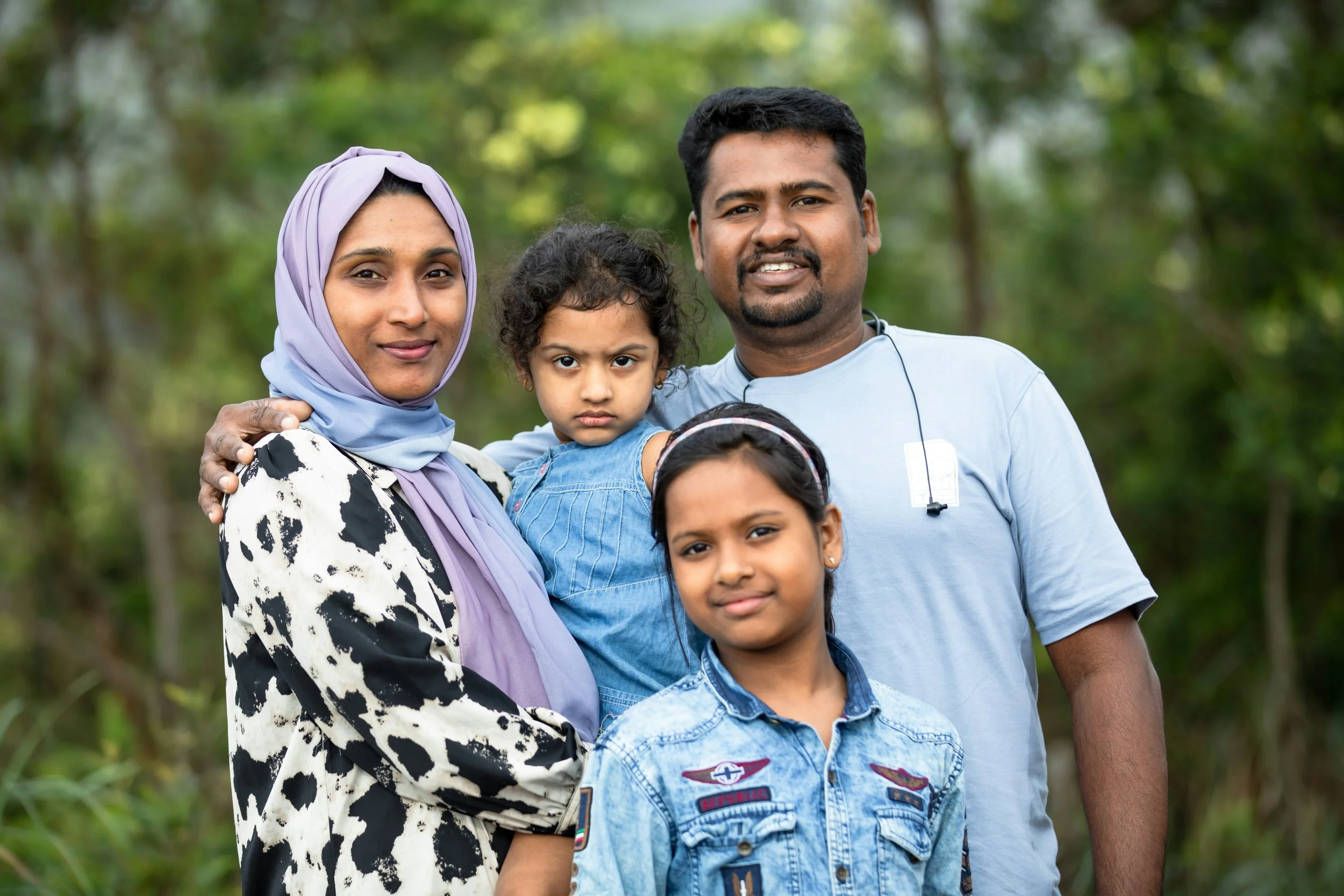
Many newcomers support family members locally and internationally while navigating:
Licensing costs
Employment uncertainty
Housing expenses
Childcare responsibilities
4.Emotional Fatigue
Providing compassionate care while managing personal stress can lead to emotional depletion.

Signs of Burnout
Burnout may appear differently for different people. Common signs include:
1.Emotional Symptoms
Feeling emotionally drained
Increased frustration or irritability
Feeling detached from patients or coworkers
Reduced empathy
Loss of motivation
2.Physical Symptoms
Chronic fatigue
Headaches
Sleep difficulties
Muscle tension
Frequent illness
3.Workplace Symptoms
Difficulty concentrating
Reduced confidence
Increased errors
Feeling overwhelmed
Absenteeism
Burnout Prevention Strategies
1.Set Healthy Boundaries
Boundaries help protect emotional energy.
Examples include:
Taking breaks during shifts
Limiting overtime when possible
Protecting personal time
Learning to say no respectfully

2.Use Stress Management Techniques
Helpful practices may include:
Deep breathing exercises
Mindfulness meditation
Prayer or spiritual practices
Journaling
Yoga or stretching
Walking outdoors

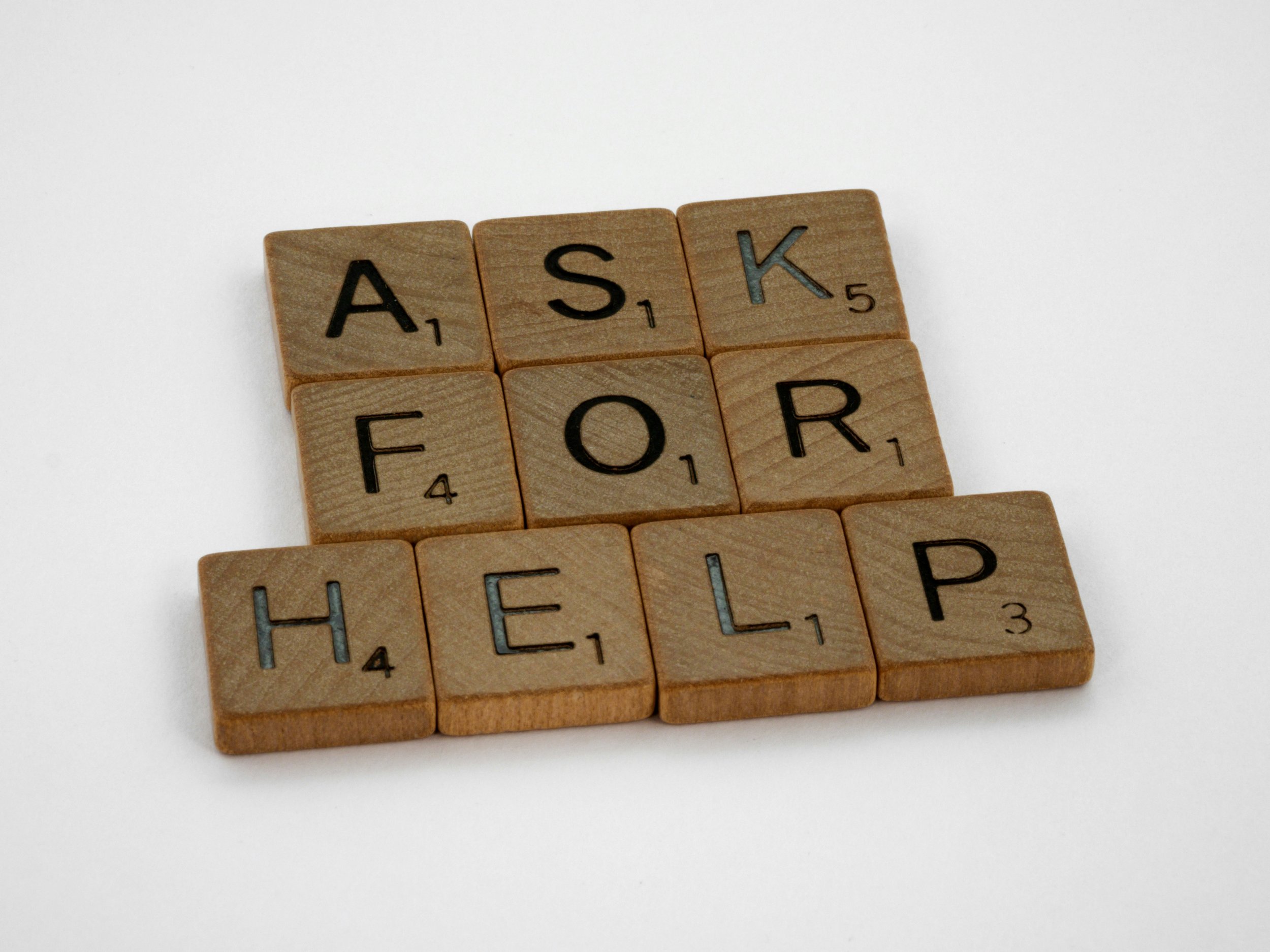
3.Normalize Asking for Help
Many healthcare professionals feel they must manage stress alone. In reality, seeking support demonstrates professional responsibility.
Stay Connected to Purpose
Reflect regularly on:
Why you entered healthcare
The lives you impact
Personal strengths you bring
Professional accomplishments
Purpose can help sustain resilience during difficult periods.
4.Creating Psychologically Safe Workplaces
Organizations can support IEHP wellbeing by:
Offering mentorship programs
Providing culturally responsive supervision
Addressing discrimination promptly
Encouraging open communication
Promoting anti-racism initiatives
Supporting work-life balance
Providing mental health education

In Conclusion
Burnout is not a personal failure. It is often a response to prolonged stress and systemic pressures. Internationally educated healthcare professionals deserve supportive workplaces that recognize both their contributions and their wellbeing needs.